Stress, Recovery & Nervous System Health





Most Recent Articles



What Women Think Is Normal (But Actually Deserves Answers)
For years, women have been told that symptoms like leaking, fatigue, painful periods, brain fog, and changes after pregnancy are just “part of being a woman.” But common doesn’t mean normal. Learn why your body’s symptoms are signals—not something you simply have to live with.

Why Waiting 6 Weeks Isn’t Enough Before Returning to Running Postpartum
Getting cleared for exercise at your six-week postpartum appointment doesn't necessarily mean your body is ready to run. Running places significant demands on your pelvic floor, core, muscles, joints, and recovery systems—many of which are still healing long after those first six weeks. In this article, we explain why clearance isn't the same as readiness and how a whole-person approach can help you return to running safely, confidently, and without setbacks.
Why Your Workouts Aren't Working: The Missing Pieces Behind Strength, Performance, and Recovery
You’re showing up to your workouts, lifting weights, and putting in the effort—but you still feel tired, sore, injured, or stuck. The truth is that strength training is only one piece of the puzzle. Learn how factors like core and pelvic floor coordination, hormones, recovery, nutrition, nervous system health, and movement patterns can impact your results and what you can do to finally start making progress.
Long Term Effects of Stress on Women's Bodies
If you've ever been told your symptoms are "just stress," you already know how frustrating and dismissive that can feel. But here's the truth: stress is never just anything. When it becomes chronic, stress creates real, measurable changes in the female body — from hormonal imbalances and pelvic floor dysfunction to digestive issues and persistent fatigue. And yet, these symptoms are often missed, minimized, or treated one by one without anyone connecting the dots.
In this post, we're breaking down exactly what happens inside your body under long-term stress, why so many women go unheard, and what a whole-person approach to healing actually looks like.
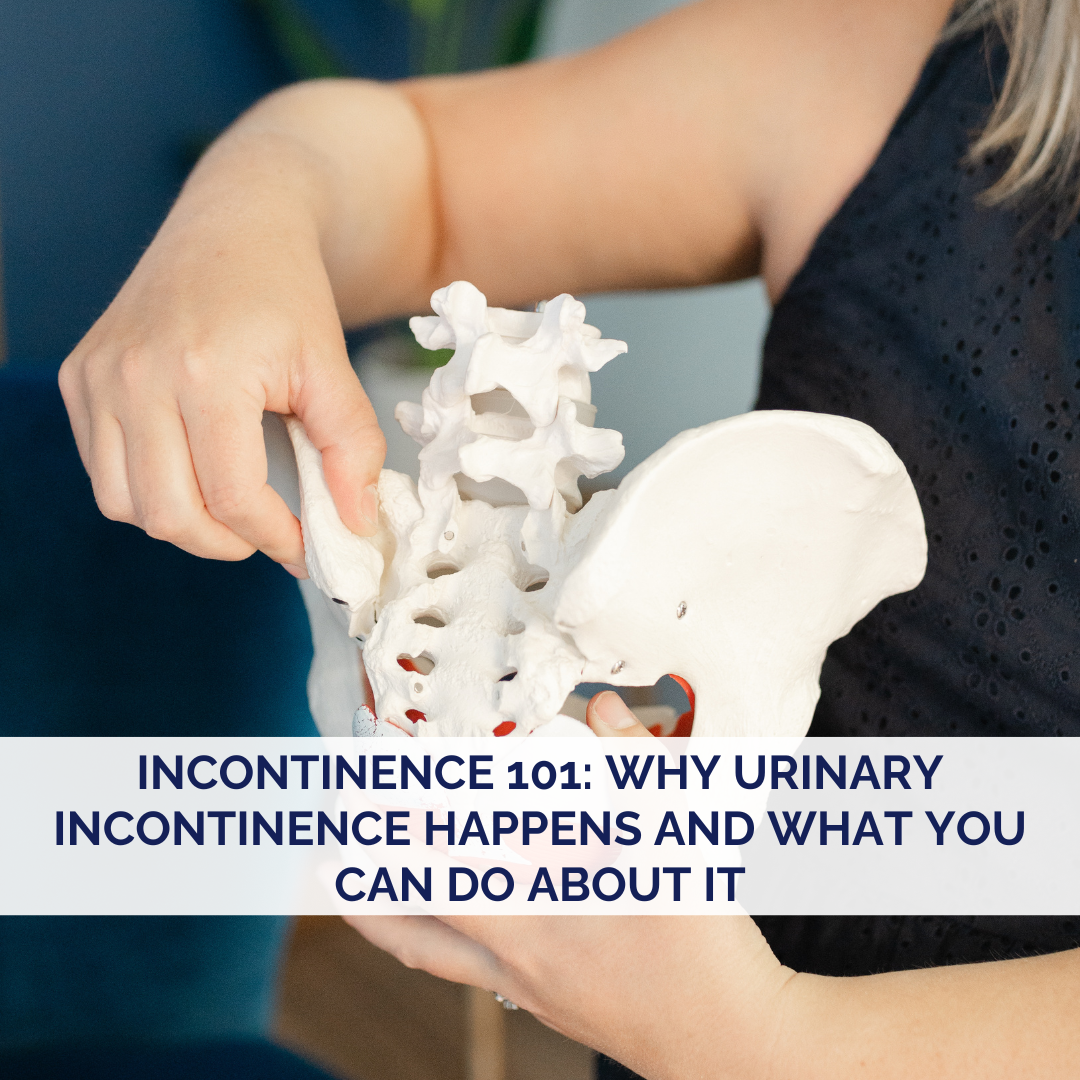
Incontinence 101: Why Urinary Incontinence Happens and What You Can Do About It
Urinary incontinence is common, but it is not something you have to accept as normal. Learn the most common causes of bladder leakage, including pelvic floor dysfunction, pregnancy, menopause, and bladder habits, along with treatment options that can help improve symptoms and restore confidence.
Not Feeling Like Yourself? Take Our Women’s Health Quiz in Hales Corners & the Milwaukee Area
If you’ve been feeling off but can’t figure out why, you’re not alone. Many women in Hales Corners and the Milwaukee area experience symptoms like fatigue, brain fog, hormone changes, gut issues, or pain without clear answers. Our Women’s Health Systems Quiz is designed to help you stop guessing and identify which body systems may be contributing most to your symptoms—so you can finally know where to start.

Why Do I Feel “Off” If My Labs Are Normal?
If you’ve ever been told your labs are “normal” but you still don’t feel like yourself, you’re not alone—and you’re not imagining it. Many women experience ongoing symptoms like fatigue, pelvic pain, bloating, or hormonal shifts despite standard bloodwork coming back within range. The reality is that lab values are just one piece of a much larger puzzle. They don’t reflect how well your body systems are communicating, how your nervous system is regulating stress, or how your muscles, posture, and pelvic floor are functioning together.
In this blog, we’ll explore why “normal” labs don’t always mean optimal health—and how a whole-body approach can help uncover what might actually be driving your symptoms.

Why Am I Always Bloated? (And It’s Not Just What You Ate)
Bloating is one of the most common digestive concerns women experience, yet it’s often simplified to something you “ate” or something you need to cut out. In reality, occasional or chronic bloating can be influenced by many factors—including digestion, hormones, stress, and nervous system function. In this blog, we explore why bloating happens and how a whole-person approach can help uncover and address the root causes.

Your Libido Didn’t Disappear for No Reason - Here’s what you can do about it
Low libido in women is common, but it is rarely as simple as “just hormones” or “just stress.” Desire is influenced by the entire body—hormonal balance, nervous system regulation, energy levels, emotional wellbeing, and more. In this article, we explore the root causes of low libido and how a whole-person approach can help restore connection, vitality, and desire.

Why Do I Pee When I Cough, Laugh, or Exercise? (And What You Can Do About It)
Leaking urine when you cough, laugh, or exercise is often a sign of stress urinary incontinence, a common pelvic floor dysfunction. Learn why it happens, what causes it, and how pelvic floor therapy can help you regain confidence and control.
Follow Us On Instagram